Introduction
When it comes to maintaining or improving your home, many projects involve working at height. Whether you’re repairing your roof, repainting exterior walls, or installing new windows, safe access is essential. This is where professional scaffolding becomes invaluable.
Many homeowners in the UK aren’t always sure when scaffolding is necessary for home repairs. While smaller tasks may only require ladders, larger or more complex jobs often demand a safer and more stable working platform. Scaffolding provides that stability while allowing tradespeople to work efficiently and safely.
At HiCroft Scaffolding, we regularly support homeowners, roofers, builders, and contractors with reliable scaffolding solutions designed for residential properties. In this guide, we’ll explore when scaffolding is required for home repairs, why it improves safety, and how it can help ensure your project runs smoothly.
Why Scaffolding Is Important for Home Repairs
Working at height carries risks, particularly when ladders are used for long periods or for complicated tasks. Scaffolding provides a safe platform that allows workers to move freely while keeping tools and materials within easy reach.
Professional scaffolding systems offer several benefits:
Improved safety
Workers can operate from a secure platform rather than balancing on ladders.
Better access to difficult areas
Chimneys, roof edges, and upper walls can be reached more easily.
Increased efficiency
Tradespeople can complete work faster when they have stable access.
Reduced risk of damage
Scaffolding allows repairs to be completed carefully without unnecessary strain on the property.
Because of these advantages, scaffolding is commonly used for many residential repair and renovation projects across the UK.
Common Home Repairs That Require Scaffolding
Certain types of home repairs almost always require scaffolding. If your project involves working above ground level for an extended period, scaffolding is often the safest option.
Roof Repairs and Replacements
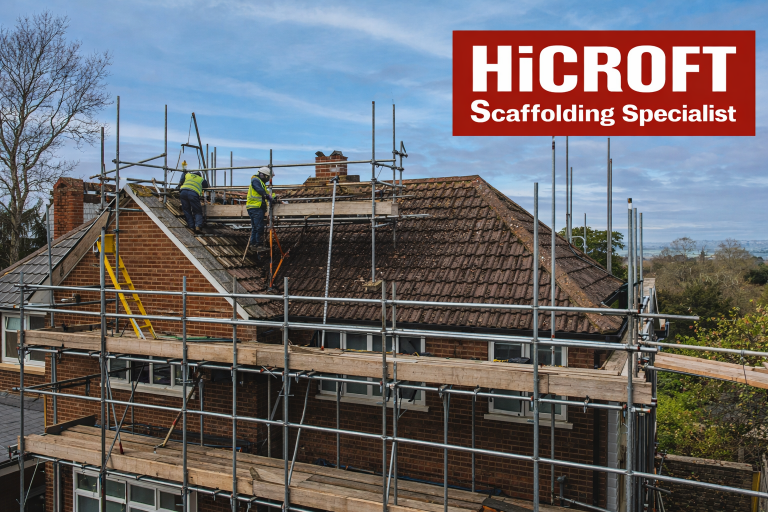
Roof work is one of the most common reasons homeowners require scaffolding. Tasks such as replacing tiles, repairing leaks, installing insulation, or fitting new roofing materials require stable access across the entire roofline.
Without scaffolding, roofers may struggle to reach certain areas safely. Scaffolding allows them to move freely across the working area while carrying materials and tools.
Chimney Repairs
Chimneys are exposed to weather conditions throughout the year, which can lead to damaged brickwork, loose mortar, or structural issues. Repairs to chimney stacks often involve working at significant heights.
Scaffolding provides safe access for chimney repointing, rebuilding, or installing chimney cowls.
Exterior Painting and Rendering
If you are repainting your home’s exterior or applying render to protect brickwork, scaffolding can make the process much easier. Painters and decorators can work safely along large sections of the building without constantly repositioning ladders.
This is particularly helpful for multi-storey homes or properties with awkward layouts.
Window Replacement and Installation
Replacing windows, especially on upper floors, can be difficult without proper access. Scaffolding ensures installers can work safely while handling heavy window units.
It also helps protect the surrounding structure during the installation process.
Guttering and Fascia Repairs
Guttering systems play an important role in protecting your home from water damage. Over time, gutters and fascias may need repairs or replacement.
Scaffolding provides safe access for roofline work and allows contractors to complete installations properly.
When Ladders Aren’t Enough
While ladders can be useful for small maintenance tasks, they have limitations. Working from a ladder for extended periods can be uncomfortable and unsafe.
Ladders may not be suitable when:
- Work needs to be carried out across a large section of the building
- Heavy materials must be lifted to height
- Multiple workers need access to the same area
- The job will take several days to complete
- The work area is difficult to reach
In these situations, scaffolding provides a safer and more practical solution.
Domestic Scaffolding Solutions
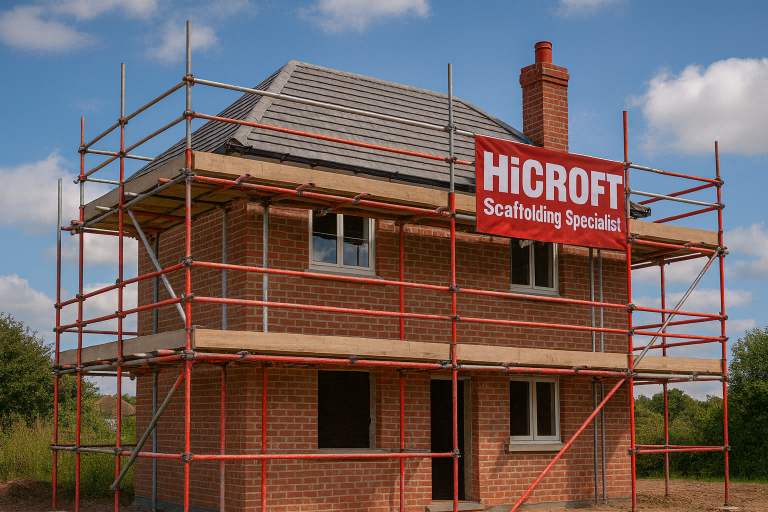
Domestic scaffolding is specifically designed for residential properties and smaller building projects. The structure is tailored to the layout of the property to provide secure access where it’s needed most.
Typical domestic scaffolding installations include:
- Independent scaffolding along exterior walls
- Chimney access platforms
- Temporary roof scaffolding
- Scaffold towers for specific areas of the home
Each installation is carefully planned to ensure stability, safety, and minimal disruption to the homeowner.
At HiCroft Scaffolding, we work closely with clients to design scaffolding systems that suit the exact requirements of the project.
Safety Regulations for Scaffolding in the UK
Scaffolding must comply with strict health and safety regulations in the UK. These regulations help ensure that both workers and the public remain safe during construction or repair projects.
Key safety requirements include:
- Proper installation by trained scaffolders
- Secure guard rails and edge protection
- Safe access ladders or stair systems
- Regular inspections of the scaffold structure
Scaffolding must also be inspected before it is used, after any alterations, and at regular intervals to ensure it remains safe.
By hiring professional scaffolders, homeowners can ensure their scaffolding system meets all relevant safety standards.
How Scaffolding Helps Your Project Run Smoothly
Many homeowners see scaffolding as an additional cost, but it often helps projects progress faster and more efficiently.
With scaffolding in place, contractors can:
- Work more comfortably and safely
- Access materials easily
- Carry out repairs without interruption
- Complete jobs faster
In many cases, scaffolding actually reduces overall project time because workers spend less time setting up ladders or moving equipment.
Choosing the Right Scaffolding Company
If you need scaffolding for home repairs, it’s important to choose a reliable company with experience in residential projects.
When selecting a scaffolding provider, consider the following:
- Experience with domestic scaffolding installations
- Strong safety standards and training
- Public liability insurance
- Good communication and project planning
- Positive customer feedback
Professional scaffolders will also work alongside other contractors involved in the project to ensure the scaffolding supports their work safely.
At HiCroft Scaffolding, we are committed to delivering safe, dependable scaffolding services for homeowners and contractors across the region.
Preparing Your Property for Scaffolding
Before scaffolding is installed, there are a few simple steps homeowners can take to prepare their property:
- Move vehicles away from the work area
- Clear access around the building where possible
- Inform neighbours if scaffolding may affect shared spaces
- Ensure pets and children stay clear of the installation area
Professional scaffolders will handle the majority of the setup process and ensure everything is installed safely.
Work With HiCroft Scaffolding
If you’re planning home repairs that involve working at height, professional scaffolding is often the safest and most efficient solution.
At HiCroft Scaffolding, we provide reliable domestic scaffolding services designed to support a wide range of home improvement projects. Our experienced team works closely with homeowners and contractors to ensure every installation meets the highest safety standards.
Whether you’re repairing a roof, replacing windows, or renovating your property, we can provide the scaffolding support needed to complete the job safely.
Contact HiCroft Scaffolding today to discuss your project and receive a free quote.